
نووسینی: پ. ی. د نهجم خالید نهجم الدین (ئهڵوەنی)
پوختە: لهبهر ئهوهی دهقی ڕۆمان پێکدێت له حیکایهت و گێڕانهوه، بۆیه بهگشتی هەموو ڕۆمانێک دوو جووڵهی سهرهکی تێدا هەیە…
بۆ خوێندنهوهی درێژهی بابهتهکه کرتە لێرە بکه
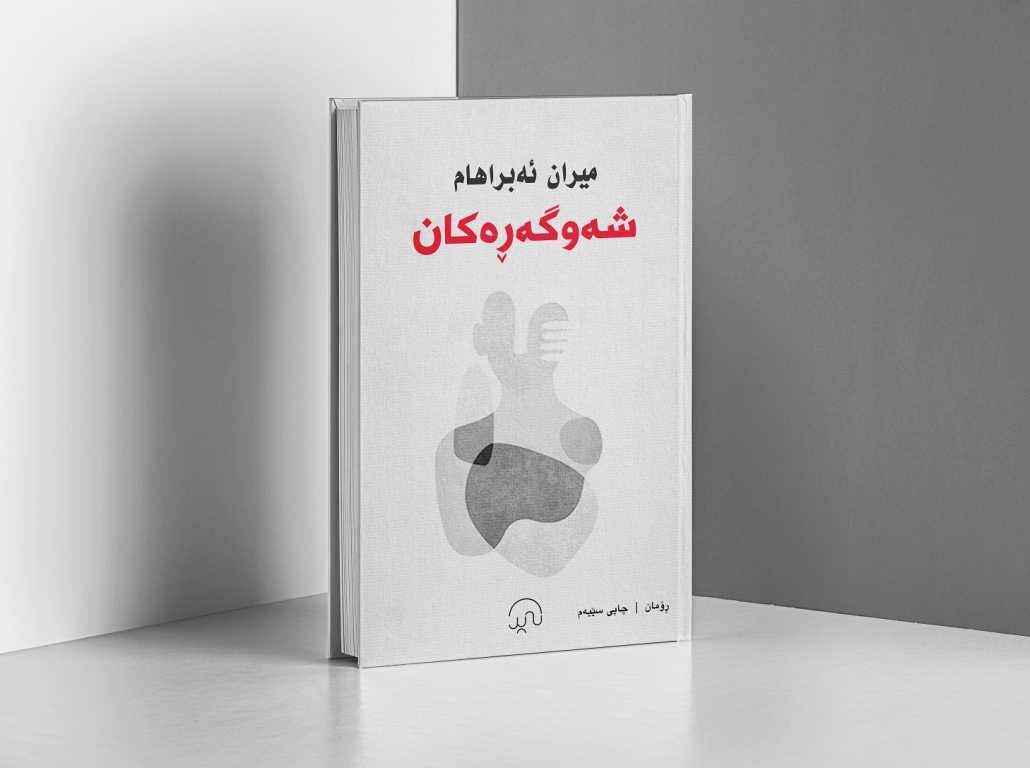
Narrative movement in a novel (The Walkers in the Night)
Najm Khalid Najmuldeen(Alweni)
Department of Kurdish Language, College of Language, Salahaddin University
DOI: https://doi.org/10.31918/twejer.2471.08
Published: 21/07/2024
Abstract
In every fictional text, two major movements together form what is narrative criticism called the rhythm of the narrative. They work in two different directions. One of them speeds up the narration movement, while the second stops this movement. The movement of the narration is sped up by two techniques: deletion and summarization, while stopping is done through the technique of description. Except for these two techniques, another technique leads to balancing acceleration and stopping, which is called the scene technique. These techniques all work to organize the internal movement of the text while it is being narrated. In our study of the movement of the text, we took the novel (Shawgarakan – The Walkers in the Night) by the Kurdish novelist (Miran Abraham) as an applied model to know the role of these techniques in organizing the narrative rhythm in that novel. This is done by talking about the most important techniques known in narrative criticism with the technique of (deletion, summarization, scene, and description) to know how to organize the internal rhythm adopted by the aforementioned novelist. Our research comprises three axes. In the first, we dealt with narration acceleration techniques. In the second, we dealt with the technique of balancing the narrative moves through the scene, and we took dialogue to do so. As for the third, we devoted it to talking about the technique of stopping the movement of the narration by taking the description as a model for that. In writing this research, we have adopted the integrative criticism approach, believing that form and content form an integrated unit that cannot be isolated from each other. Especially while talking about the technique of dialogue and description, which occupy a large space in the fictional text and work on the birth of social connotations, including in particular the intellectual connotations that lead to the emergence of a difference in the vision of the characters during their participation in the event’s making and the development of the dramatic conflict within the text.